
Understanding before listening
WALL-E introduces a robot cleaning up an abandoned Earth; meeting EVE changes his routine. That starting point comes from Pixar’s official presentation. Our suggestion for a rewatch is to focus less on what gets explained and more on how an intention becomes visible. A pause, a tilt or the distance between two characters can guide our reading before anyone delivers a line.
This is not an argument that dialogue is unnecessary. It is a chance to discover how much information the image already carries. When a character approaches something unfamiliar, do they move abruptly or in small steps? Do they look at the object first, or check somebody else’s reaction? Questions like these reveal a sequence of choices within an apparently simple scene. Animation allows every one of those choices to be designed.
One detail at a time
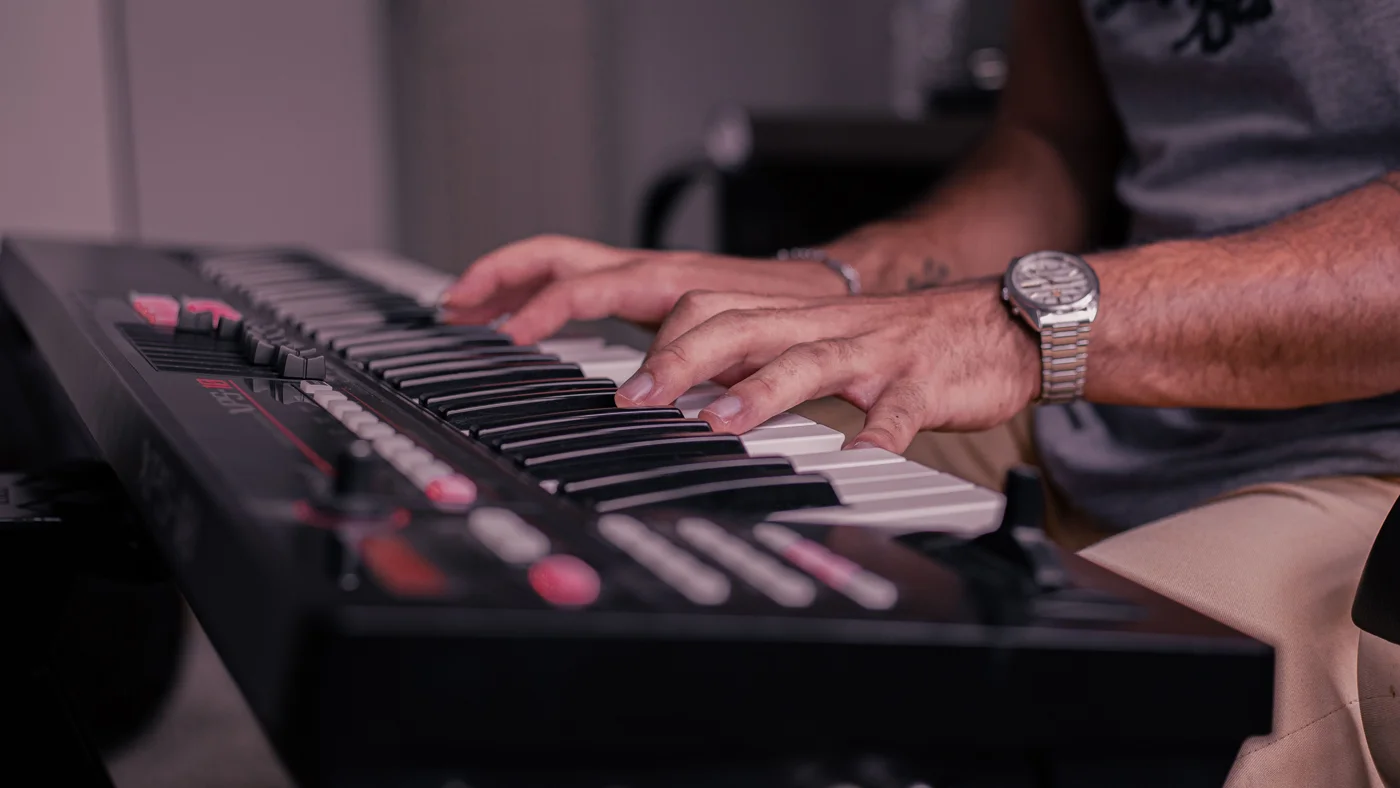
Choose a short passage you already know and watch only the hands, or their mechanical equivalents. Then watch again, following the eyes. If your impression changes, that does not make one reading wrong: you were attending to different signals. The exercise also helps us appreciate animation beyond whether a surface looks realistic. A convincing movement can express personality even when the character looks nothing like a human being.
Keep the sound on for your first revisit. Small noises and moments of silence contribute to the performance we perceive. Removing all audio can be a later experiment, but it is not a definitive way to judge a scene designed for both sound and image. If you are watching with others, discuss which gesture seemed clearest and which allowed more than one interpretation.
Patience is part of the experience
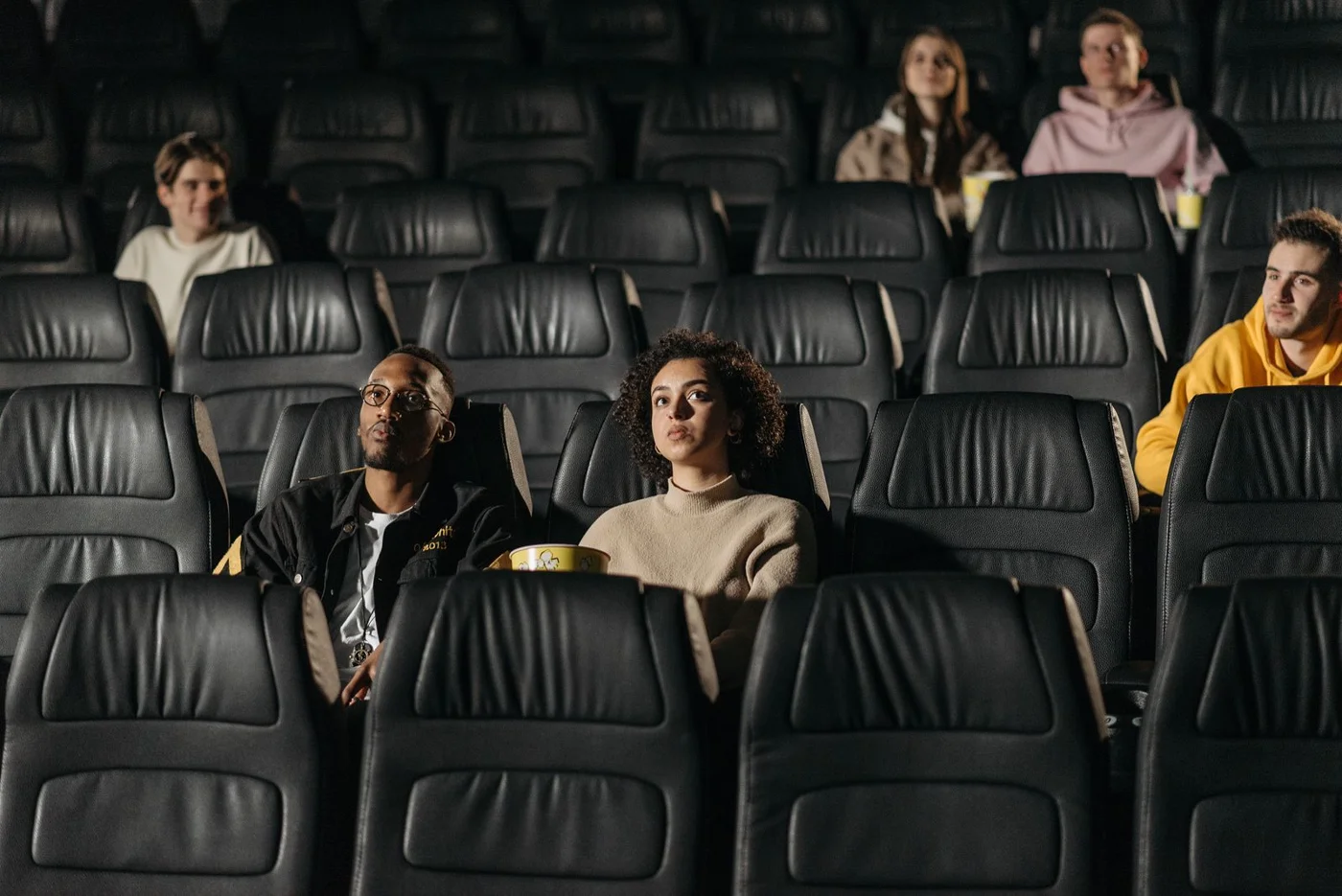
There is no need to pause every shot or turn movie night into a lesson. Choose one question and let the film breathe. You can then carry that attention into a very different work, including a comedy packed with conversation. The next time someone says a scene tells us nothing because hardly anyone speaks, you may have a practical answer: watch where a movement begins and what has changed by the time it ends.
Sources and further reading
Background feature published on October 23, 2026, not a release announcement. Film availability depends on your country and service.