The big moment is not always the loudest
When people talk about Adele, it is easy to stop at the idea of a powerful voice. But listening only for the highest note leaves out an important part of the experience: how a phrase begins, breathes and ends. That is the invitation in this guide, written for anyone who enjoys a song without needing a singing lesson.
For historical context, Adele received her first two Grammys in 2009: Best New Artist and Best Female Pop Vocal Performance for Chasing Pavements. That is a career fact, not an announcement of a new album or performance.
Start with a phrase you remember
Choose a song from an official release and find the passage you tend to remember afterward. It may be the chorus, but it could also be a short line before it. Listen to what happens immediately beforehand: sometimes the wait explains as much as the moment that finally arrives.
Try humming the melody in your head without straining your voice. Did your memory preserve the length of the notes or change it? Memory often holds a version of its own. Comparing it with the recording can reveal details that were there all along but had become invisible through familiarity.
The accompaniment helps tell the story
Now follow the instrument or sound supporting the phrase. Notice whether the voice and accompaniment move together, whether one waits for the other or whether an entrance changes the feeling of the scene. You do not need to name the chords to recognize a response.
If you find an official performance of the same song, compare it without demanding that it repeat every second of the studio recording. A concert is a different setting, and a published recording may have its own editing. Avoid judging a whole performance from a clipped video posted by an account that does not explain its origin.
An emotion is not a complete biography
You can say a song makes you feel sad, relieved or eager to sing with friends. That describes your relationship with the music. It is different from claiming, without a source, whom it addresses or which private detail it recounts. Enjoying the story does not require solving the artist’s life.
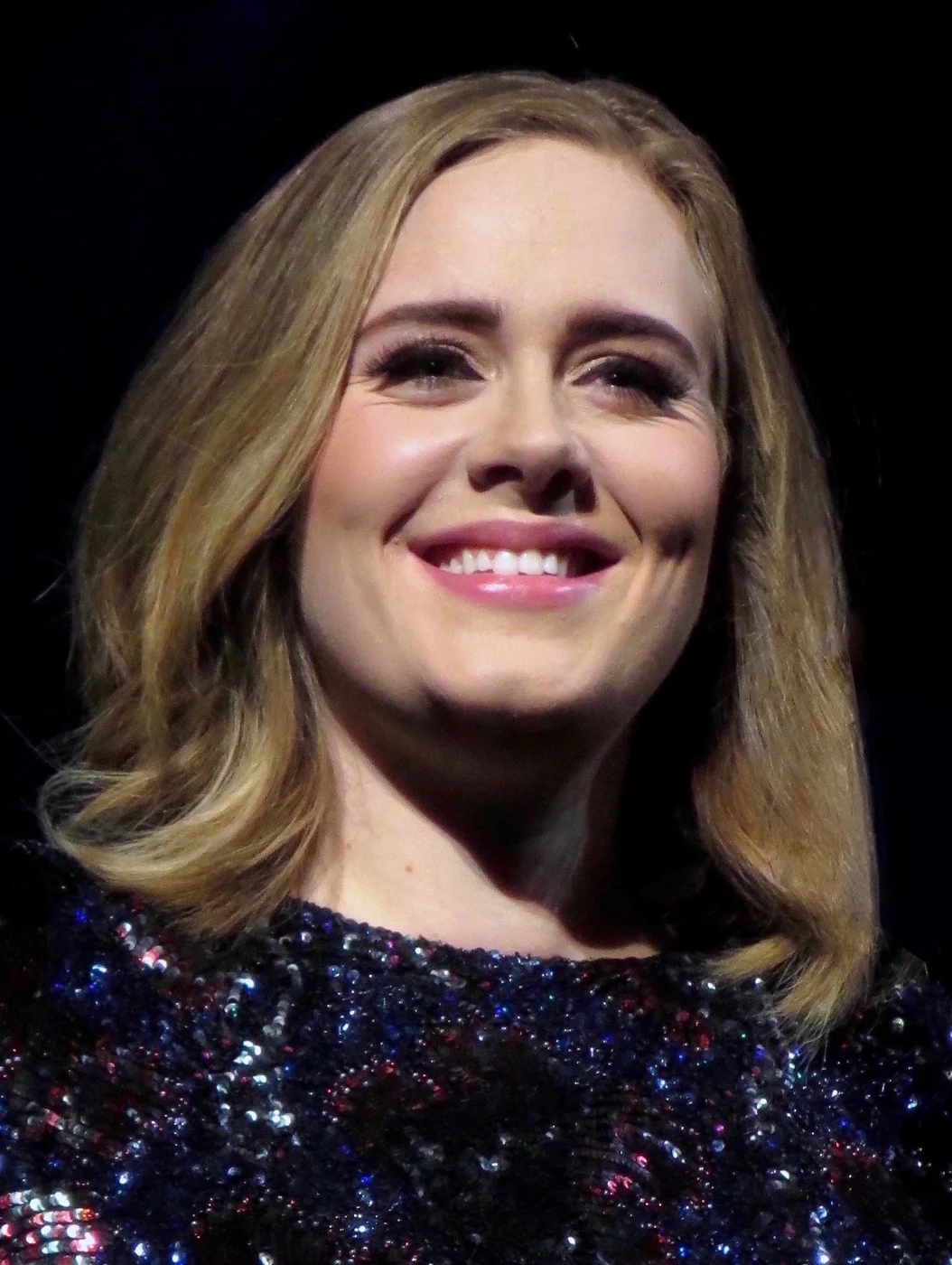
When sharing it, a specific suggestion works better than a contest: listen to the pause before this change, or notice how this phrase ends. You invite someone to discover something rather than insisting they agree they are hearing the greatest voice. The chosen photograph documents a 2016 performance and is used as an archive image.
Sources and further reading
A sample article for this editorial proposal. General information, not breaking news or personalized advice.